
Music Therapy in NYC
Services provided throughout New York State and New Jersey
There are things that live in music that words can never quite reach.
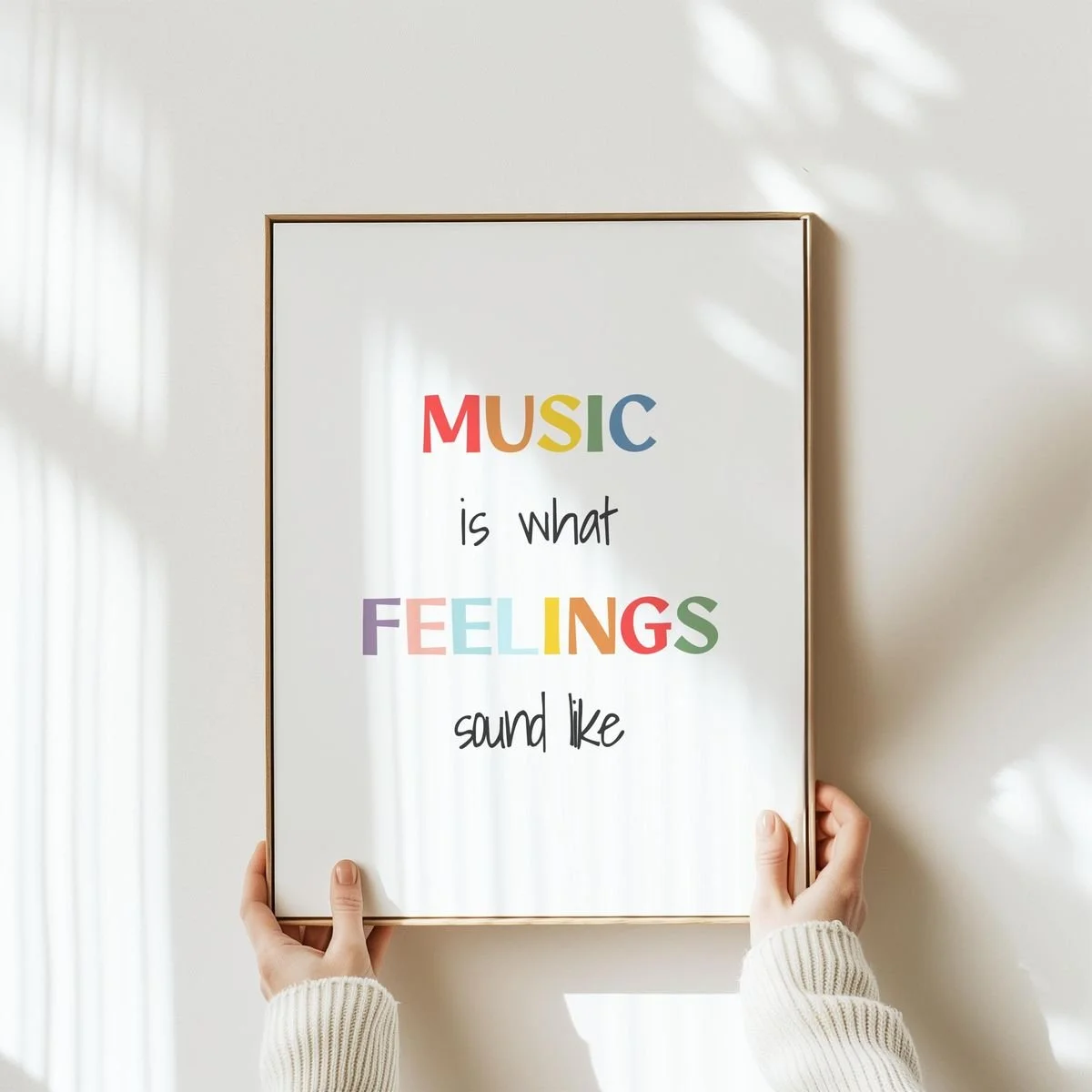
Music has always meant something more to you. A song comes on and something shifts in your chest before your mind even registers why.
Certain lyrics feel like they were written about you. A melody can take you somewhere words never could.
But maybe when it comes to your own inner world, words only go so far. You feel things deeply, but words never quite capture the full weight of it.
There's always something missing that you can't quite put into words.
And that’s why you're here - talk therapy has its place, but some things don't live in language, they live in a chord, a rhythm, a lyric that hits before you even understand why.
You don't have to be a musician for music to be a way in. It just needs to mean something to you.
What if music could take you
somewhere words haven't been able to?
DOES THIS SOUND LIKE YOU?
You may benefit from music therapy in NYC if…
⟡ You feel things deeply but struggle to find the words.
⟡ Talk therapy has helped, but you sense there's more beneath the surface.
⟡ You're looking for ways to regulate your body that don't require more thinking.
⟡ You feel certain songs in your body before your mind even registers why.
⟡ Music has always been a way to feel understood when nothing else did
⟡ You've always known music affects you deeply. You're ready to understand why, and how to work with it.
What if music therapy in NYC could take you from…
Wondering if anyone else feels this way → Finding your experience reflected back in melody and lyric
Struggling to find the right words → Expressing yourself through sound, rhythm, and creativity
Losing touch with who you are → Finding yourself again in the music that has always mattered to you
Carrying grief with no place to put it → Letting music hold it with you
Feeling disconnected from your body → Grounding yourself through vibration, breath, and tone
Talk therapy hitting a wall → Finding a new path forward when words aren't enough
Through therapy that is evidence-based and tailored towards your goals
step 1: We start with music that's already yoursLet's start with the music that's already part of your story. The songs that carried you when things fell apart. The albums that feel like old friends. The playlists you turn to without thinking. From there, we simply notice: How does this sound land in your body?

step 2: together, we listen, and we notice what arisesIn session, we might listen to music you bring or pieces I offer. As the music plays, we simply track what happens: a shift in your chest, a memory surfacing, an emotion you couldn't name before. There's no need to analyze or explain. You just notice, and I witness. The music meets you where words can't.

step 3: You build a new relationship with music—and with yourself.Music stops being just background noise or something you consume. It becomes a companion in your healing, a mirror for your inner world, a tool you trust. And in learning to let music hold you, you also learn to hold yourself differently: with more compassion, more curiosity, more permission to feel.
Frequently Asked Questions
-
Music therapy uses music as a tool for healing. Unlike music lessons or entertainment, music therapy is facilitated by a credentialed therapist and tailored to your therapeutic goals. It can involve listening to music, discussing lyrics, exploring how sound affects your body, or simply using music as a way to access emotions that words can't reach.
Music therapy is effective for anxiety, depression, trauma, grief, stress, and nervous system regulation. -
A music therapy session looks different from traditional talk therapy. We might begin by discussing what you're bringing into the room that day, then turn to music as a way to explore it. This could mean listening to a song you love and noticing what comes up in your body, exploring how different sounds affect your mood, or simply letting music create space for emotions you haven't been able to access. There's no pressure to perform, create, or be "good" at music. Sessions are 45 minutes and available virtually throughout New York State.
-
Not at all. Most of my clients don't consider themselves musicians. They're people who have always felt deeply moved by music but never knew it could be part of therapy. Some have never played an instrument or sung a note. Music therapy isn't about learning to play or perform, but rather, itt's about using your existing relationship with sound to support your mental health. If music has ever made you feel something, you already have everything you need.
-
Talk therapy relies on words to process experience. But some things, such as grief, trauma, body sensations, emotions too big to name, don't always live in language. Music therapy offers another path. By engaging with sound, rhythm, and lyric, we can access parts of your inner world that words can't always reach. Many clients find that music therapy helps them feel things they've been numbing, release what they've been holding, or simply feel understood without having to explain.
-
Yes. Living in New York comes with unique stressors, from the pace, the noise and crowds, to the constant demand to keep going. Music therapy offers a way to regulate your nervous system that doesn't require more thinking. Certain rhythms, tempos, and frequencies can actually calm your body's stress response. Many clients build personalized playlists and listening practices that help them transition out of "work mode," sleep more easily, or simply feel more grounded in a city that never stops.
Music becomes a portable tool for regulation you can use anywhere: on the subway, at your desk, or lying awake at 2am.
Questions?
Ready to Schedule a Consultation Call?
Fill out the form and I’ll get back to you as soon as possible.
I look forward to hearing from you!